How Football Transfers Really Work: Agents, Contracts & Release Clauses Explained
Football transfers are the most dramatic business on earth
They blend finance, law, scouting science, ego, emotion, long-term planning and — occasionally — pure chaos.
To the public, a transfer looks like a headline. To those inside the industry, it is a machine: engineered, negotiated, timed, and fiercely protected
Behind every “Here we go” is a year of whispers, travel, private meetings in hotel lobbies, encrypted calls, data packets, lawyers reviewing clauses until sunrise — and a human being deciding their next life step
Transfers are not gossip.
They’re the economic bloodstream of modern football
This is how they really work.
The True Beginning: Months Before the Rumour
A transfer never begins with a leak.
It begins with a question inside a club:
“Can this player improve us — now, and two years from now?”
From that moment, a machine activates.
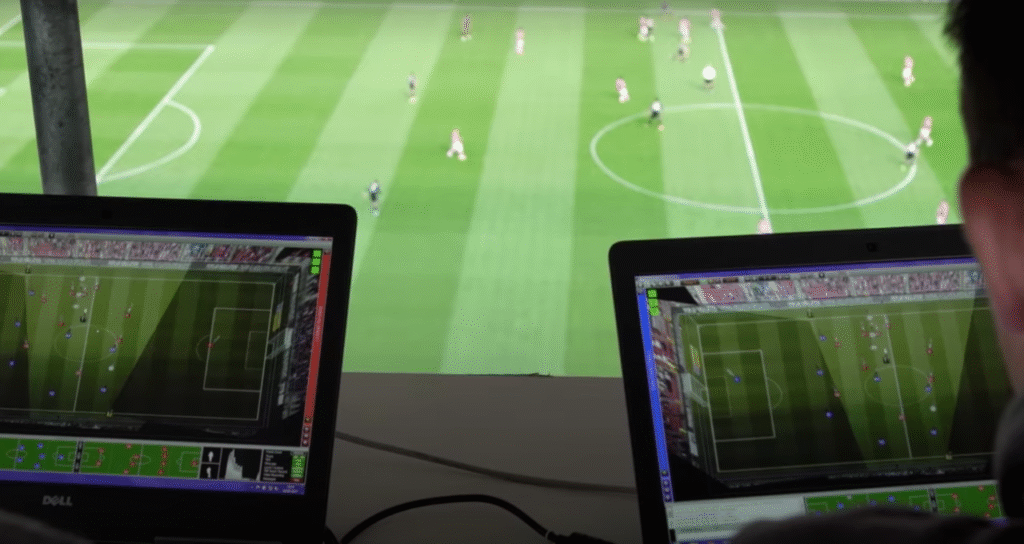
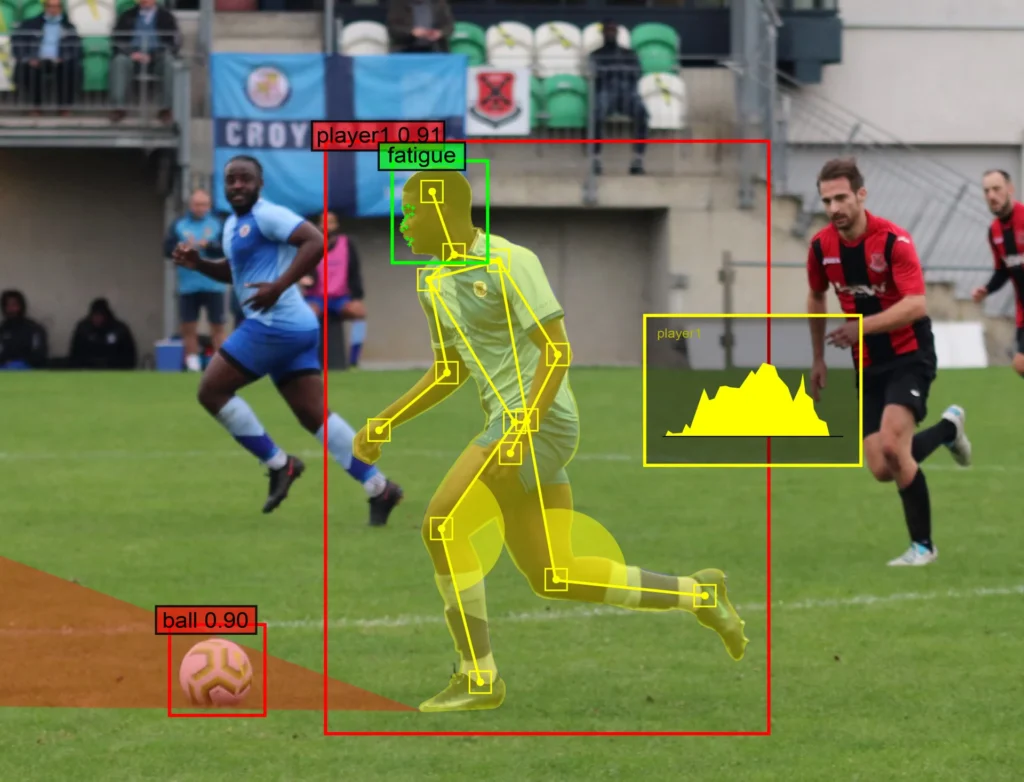
Scouting model today includes:
Live scouting — emotion & instinct
Data analytics — objectivity & trend mapping
Psychological profiling — mindset, professionalism, leadership
Physical tracking — GPS histories, injury load, peak age windows
Tactical fit — system compatibility, role intelligence
Modern clubs don’t buy names. They buy profiles and models of future development.
Rumour is the last stage, not the first.
The Agent’s Real Job — Not What Fans Think
The internet thinks an agent just “asks for money.”
Reality: elite agents run career architecture.
They build:
Multi-year career pathways
Commercial positioning & branding
Tax-efficient financial structures
Image rights portfolios
Family relocation logistics
Transition plans for post-playing career
A player doesn’t hire an agent.
A player hires a strategist, lawyer, negotiator, and family protector.
Bad agents chase short-term fees.
Elite agents build legacies.
How Clubs Actually Negotiate Transfers
It’s never “Club calls club.”
A real transfer chain looks like this:
Sporting director → agent → player side → club lawyers → financial executives → tax structuring → image rights counsel → board approval → manager consultation → media management strategy → final signature
Every part runs in parallel, not sequence.
A single disagreement (image rights, payment structure, installment length, personal clause wording) can collapse months of work.
Transfers don’t fail at the finish line.
They fail quietly in legal email threads you will never read.
Contracts: The Hidden Battlefield
A football contract is not a salary sheet.
It’s a risk-control document.
Inside a top-player contract you see:
Base salary
Signing bonus
Appearance fees
Performance bonuses
Loyalty bonuses
Leadership bonuses
Champions League / league / cup incentives
Personal staff allowances
Accommodation support
School support for children
Medical & insurance protections
Image rights splits
Non-disparagement clauses
Digital content control terms
Confidentiality clauses
Buy-back rights (for selling club)
Sell-on percentages
Break clauses, extension triggers
And sometimes: no-nightclub clauses, weight clauses, media training requirements, and minimum minutes guarantees for young stars.
A contract is a war disguised as paperwork.
Release Clauses — The Most Misunderstood Tool in Football
Fans think release clause = “pay, take player.”
Wrong — most clauses include conditions:
Only foreign clubs can trigger
Only before a certain date
Fee increases annually
Fee decreases if club fails to qualify for Europe
Requires player approval
Installment schedule must be agreed
Club may match the offer to retain player
Spain mandates buyout clauses by law. That’s why La Liga is a playground for trigger moments.
Elsewhere, clauses are chess pieces — written to trap, free, or leverage value.
Sometimes the most powerful clause isn’t written — it’s verbal.
Handshake promises create wars.
Why Transfers Really Collapse
Not because of drama.
Because of math, law & ego.
Real reasons:
Agent commission disagreement
Image rights conflict
Family doesn’t want to relocate
Sponsorship contract conflicts
Tax exposure too high
Payment structure disagreement
Late manager change
Dressing-room wage politics
Player’s personal demands (schools, privacy, safety)
Club refuses to insert resale clause
Rival bid arrives triggering price inflation
Transfers rarely “fall apart.”
They simply meet reality.
Medical Exams & Data Era
Fans hear “medical booked” and relax.
Insiders don’t.
Medical protocol today includes:
MRI & ligament stress tests
Cardiac screening & echocardiogram
Blood oxygen & VO2 Max
Load-history analysis
Longitudinal GPS tracking
Sleep pattern data
Muscle density imaging
Clubs buy future availability, not present fitness.
A medical can restructure a deal in real time.
Or kill it.
Behind the Player Decision
Players don’t choose based on “childhood dream.”
That happens once a decade.
Real factors:
Tactical role clarity
Playing time guarantee
Project credibility
Lifestyle & privacy level
Partner’s happiness & career
School environment
Language comfort
Media pressure tolerance
Long-term commercial upside
Transfers are not football decisions.
They are life balance decisions.
Modern Trend: AI, Data, Super-Agency Era
The transfer market is entering a new phase:
Performance aging curves
Specialist micro-agents (nutrition, psychology, brand)
Family offices managing wealth
Private equity impact
Transfers are not emotional — they’re corporate governance disguised as sport.
Those who treat it like FM lose.
Those who treat it like M&A win.
Conclusion
A transfer looks like drama.
It is actually discipline.
A negotiation looks like chaos.
It is actually choreography.
A signing looks like a signature.
It is actually a career-defining strategic operation.
Transfers are stories, emotions, dreams —
but the engine underneath is business, psychology, law, and leverage.
And next time you see “deal close”, remember —
that headline is just the surface of a year-long battle you were never meant to see.
Transfers are not transactions.
They are football’s heartbeat and its most valuable currency — hope.