The Psychology Behind Football Success: What Makes a Champion Player?
Football isn’t just played with the feet — it’s played with the mind first.
Anyone can train for speed, strength, or technique.
But stepping onto a pitch in front of 60,000 people, under pressure, with millions watching at home, and making the correct decision in half a second — that demands something deeper.
That’s where champions are built.
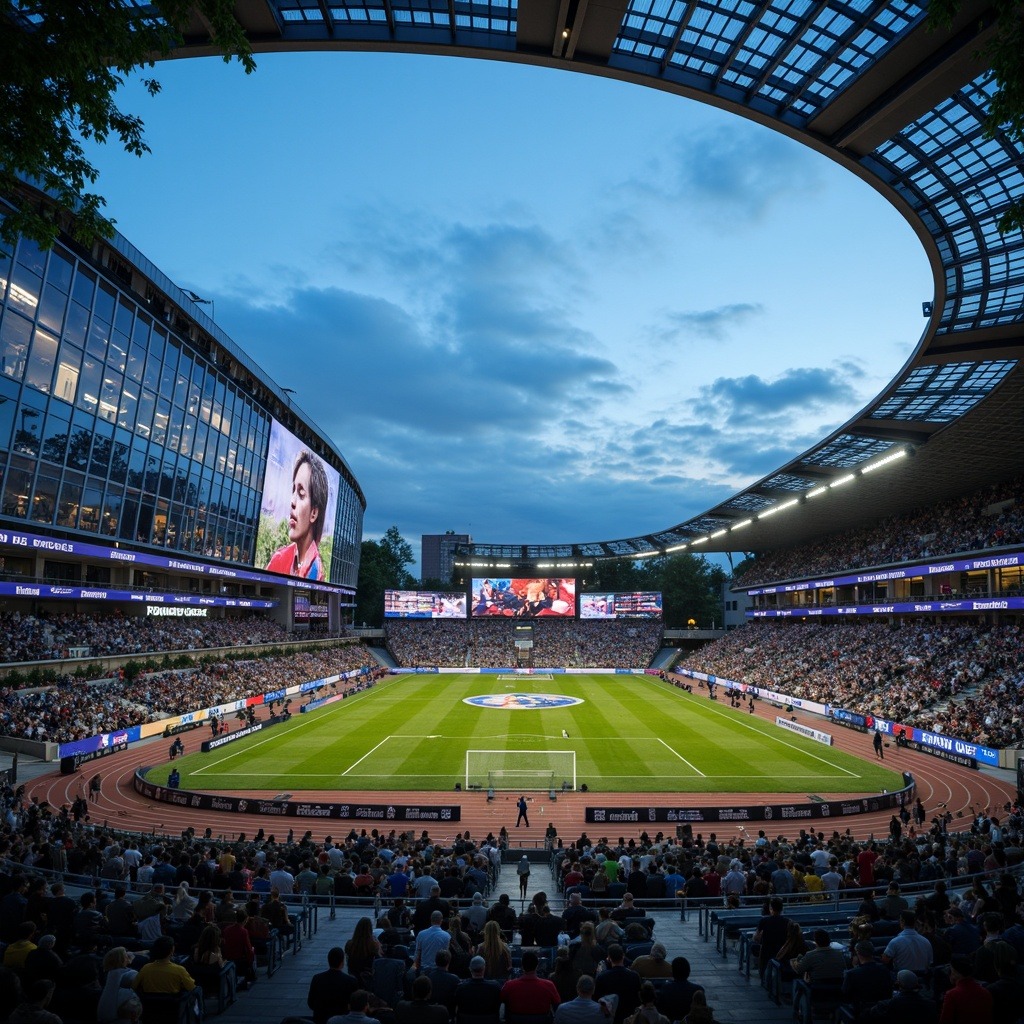
1. The Quiet Foundation of Greatness
Watch an elite player closely and you’ll notice something subtle: they never panic. A bad pass doesn’t shake them. A missed chance doesn’t break them. A hostile stadium doesn’t silence them.
They simply reset, breathe, refocus, and demand the ball again.
That isn’t luck or personality. It is trained emotional control. Modern football throws constant stress at players — media criticism, fan expectations, internal competition for positions, tactical complexity, and the fear of failure. Only the mentally strong survive.
➥Young players often think talent is enough — but football is littered with “nearly stars.” The boy who was unstoppable at 16 but froze at 20. The wonderkid who couldn’t handle criticism. The player who looked world-class in training but disappeared in front of a crowd
The game exposes you. The mind keeps you alive.
2. Self-Belief: A Player’s Fuel
Every great footballer has experienced doubt
Ronaldo wasn’t believed in at first. Modrić grew up hearing he was too small and too weak. Jamie Vardy played non-league football when most professionals his age were already stars
They succeeded because they believed in themselves before anyone else did.
Self-belief in football isn’t arrogance. It is quiet inner trust.
●It’s the willingness to ask for the ball after losing it
●It’s standing over a penalty after missing the previous one
●It’s taking responsibility when everything is on the line
A champion trusts the work they’ve done when pressure tries to erase it.
3. Calm Brains Win Fast Games
Football today moves at frightening speed. Decisions must be made in moments: pass, shoot, hold, switch, run, slow down, accelerate. One wrong choice and the chance evaporates.
The best players appear to move slower — not because they are slow, but because their mind is clear enough to see everything.
We call it game intelligence.
●It’s why Sergio Busquets could dominate matches without sprinting.
●It’s why Luka Modrić, in his late 30s, still controls midfield battles.
●They think faster than others panic.
This mental clarity is trained.
Film study, repetition, breathing control, visualization — modern players practice thinking, not just running.
UEFA reports that elite academies now prioritize cognitive training alongside physical development
4. Resilience: The Art of Bouncing Back
Football careers are not fairy tales.
Rejection, injuries, bench time, criticism — they are guaranteed.
Champions are defined not by how high they peak, but by how they react when they fall.
Every missed shot, every lost ball, every painful defeat becomes data, not trauma. Failure doesn’t break them — it hardens them, sharpens them, educates them. That’s why the great ones improve season after season instead of disappearing after one big year.
A strong player celebrates goals.
A champion grows from missed chances.
5. Obsessed With Improvement
Talent fades without obsession.
Watch any elite player train — they are never satisfied. They stretch one rep longer, stay after practice, review matches, study opponents, treat recovery like a ritual.
The modern champion doesn’t wait for confidence to magically appear — they build it through discipline.
You don’t rise under pressure.
You rise to the level of your preparation.
That’s the difference between a gifted player and a professional, and between a professional and a champion.
6. Building the Champion Mind
So what truly makes a champion footballer?
A calm mind in chaos.
A belief strong enough to survive doubt.
A hunger that survives success.
A resilience built on setbacks.
A brain trained to decide under pressure.
A heart stable enough to carry expectations.
And a commitment to improve when no one is watching.
When people say “football is played with the heart,” they’re close — but not quite.
Football is played with the soul, expressed through the feet, and powered by the mind.
Technique creates highlights.
Psychology creates legends.
Conclusion
In the future, the biggest football academies won’t just train stronger athletes — they’ll build stronger minds. Sports psychology isn’t a secret weapon anymore; it’s the new normal. The players who embrace it will rise, adapt, and dominate.
Football is evolving, and the champions of tomorrow will be the ones who master both the game and themselves
Those who control their mind, control the match.